


- Many Michigan communities have received above average snow fall totals so far this season
- La Niña, lake-effect snow and jet stream shifts fuel heavier snow
- Snow and bitter wind chills create dangerous roads but ideal winter sports
Michigan is digging out from a winter that’s coming in heavy, with many northern towns receiving far more snow than usual and some southern parts of the state also getting more than normal.
Through Sunday, Sault Ste. Marie in the Upper Peninsula had already recorded roughly 116 inches of snow this season, nearly double the 66 inches it usually has by this time and approaching the 120 inches it averages for a full winter, according to the National Weather Service.
Marquette has recorded nearly 146 inches of snow, well above the 94 inches it typically has had by this time of year. Gaylord has seen about 100 inches, compared with a normal 80 inches. Traverse City has received nearly 70 inches, which is above its typical 50-inch snowfall for this point in the season.
That’s led to some serious snow depth, too. As of Sunday, the snow was more than two feet deep in Sault Ste. Marie, according to the NWS. Gaylord and Traverse City each had roughly a foot on the ground.
Southern Michigan cities have seen less snow than the north, but many are still at or nearly their normal rates. Both Detroit and Flint have recorded about 25 inches, and Grand Rapids 41 inches.
Dangerous conditions
Heavy snow has been welcome news for Michigan ski resorts and other winter tourism businesses. But it’s also led to subzero wind chills and dangerous driving conditions in parts of the state.
An ongoing cold front that led to winter storm warnings in west Michigan caused a multi-car pileup on I-196 near Hudsonville on Monday.
Numerous injuries were reported but no fatalities, according to the Ottawa County Sheriff’s Office.
As of midday Monday, the highway was closed in both directions between the Hudsonville exit (62) and the Zeeland exit (55). Authorities were using buses to transport stranded motorists to Hudsonville High School to coordinate pickups.
With snow and wind expected to continue overnight Monday, the NWS in Gaylord is urging drivers to remain extra cautious as a winter weather advisory remains in effect until 10 a.m. Tuesday morning.
“The main concerns right now are the cold and that pretty nasty visibility on the road,” said Faith Fredrickson, a meteorologist for the NWS office in Gaylord.
“If you do have to be out and about, and you’re traveling, remember to take it slow … and leave some extra space just so you have a little extra braking space in case you do happen to run into those whiteout conditions.”
Why so much snow?
A combination of factors is driving snowier conditions in northern Michigan. The return of La Niña, a climate pattern that shifts the jet stream northward, is bringing colder, stormier weather. In addition, low ice coverage on the Great Lakes is fueling heavier lake-effect snow.
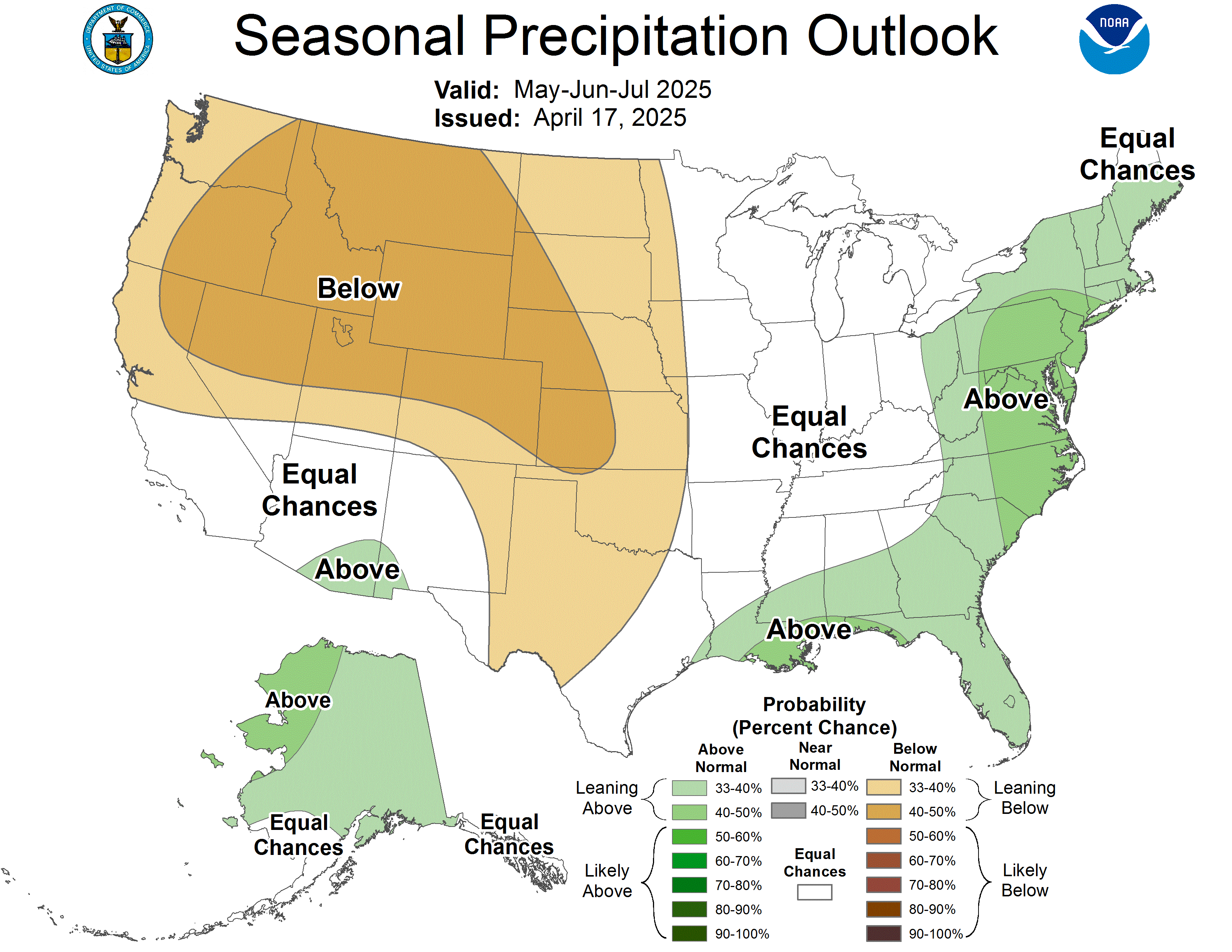
The National Oceanic and Atmospheric Administration’s seasonal outlook shows at least a 50% chance of above-average precipitation across the state from February through April.

There is an equal chance of above-average or below-average temperatures, meaning precipitation there could fall as rain rather than snow. With more than a month of winter left, snow totals in northern Michigan may continue to climb well past seasonal averages.
Northern Michigan will face heavy snow and dangerous wind chills through Tuesday, with snow falling at 1 to 2 inches per hour and winds of 30 to 45 mph creating whiteout conditions, according to the National Oceanic and Atmospheric Administration.
Wind chills of minus 10 to minus 25 degrees Fahrenheit are expected, making roads hazardous and limiting the effectiveness of salt and sand. Additional snow is forecast throughout the week. An even colder air mass, potentially the coldest of the season, could bring subzero wind chills statewide by the weekend.
La Niña also has implications for drivers. Past La Niña winters in 2021 and 2022 coincided with higher numbers of traffic crashes.






You must be logged in to post a comment.